
Pet Grooming Tips
Grooming your pet is not only about keeping them looking good—it’s also an essential part of ensuring their health and happiness. Regular grooming is more than a beauty routine; it helps prevent various health issues, including skin infections, matting, nail problems, and more.
Whether you have a dog, a cat, or another furry friend, knowing how to groom them properly is crucial to keeping them comfortable and healthy. In this comprehensive guide, we’ll provide Pet Grooming Tips that cover everything from brushing and bathing to nail trimming and ear cleaning.
We offer essential advice to make grooming easier and more effective. You’ll learn everything you need to know to create a grooming routine that will leave your pet looking and feeling their best.
Table of Contents
Why Grooming is Important for Pets
Grooming your pet goes beyond keeping their fur shiny and smooth. It’s an important way to ensure your pet’s overall well-being. Here are several reasons why grooming is so important:
Strengthening Your Bond: Grooming is a great opportunity for you to bond with your pet. It’s a form of positive interaction that reinforces trust and love. Pets often enjoy the attention they receive during grooming sessions, making it an enjoyable experience for both of you.
Preventing Skin Infections: When pets aren’t groomed regularly, dirt, oils, and dead hair can build up on their skin, which can lead to infections. Grooming helps keep their coat clean and their skin free from irritants.
Keeping Your Pet Comfortable: A tangled, matted coat can be painful and uncomfortable. Regular grooming helps keep your pet’s fur smooth, allowing them to move freely without the discomfort of mats pulling on their skin.
Spotting Health Issues Early: While grooming your pet, you can check for unusual signs, such as lumps, bumps, cuts, or sores. Finding these issues early allows you to address them quickly with your vet’s help. Regular grooming can also help you spot parasites like fleas, ticks, and mites, which can cause serious problems if left untreated.
Reducing Shedding and Hairballs: Grooming helps control the amount of loose fur your pet sheds. For cats, it also helps reduce the number of hairballs they produce, which can cause digestive problems if not managed.
Promoting Good Hygiene: Regular grooming helps maintain your pet’s hygiene by removing dirt, debris, and bacteria from their fur. It also helps keep their paws clean, especially if they like to walk through muddy or wet areas.
Brushing: Keeping Coats Clean and Shiny
One of the most important grooming activities for pets is brushing. Brushing your pet’s coat not only removes tangles and mats but also helps distribute natural oils throughout their fur, keeping it soft and shiny. It also provides an opportunity for you to check your pet’s skin for any signs of problems, like irritation or parasites.
Choosing the Right Brush for Your Pet
The type of brush you use depends on your pet’s coat. There are different brushes and tools designed specifically for various fur types, and choosing the right one is key to making the grooming process easier and more effective.
- For Long-Haired Dogs: Dogs with long coats, such as Golden Retrievers, Poodles, and Shih Tzus, need a slicker brush. A slicker brush has fine, closely spaced wires that gently untangle mats and remove loose fur. This helps prevent painful matting and promotes a shiny coat.
- For Short-Haired Dogs: Breeds like Beagles, Bulldogs, and Dachshunds have shorter coats and require a bristle brush. A bristle brush helps smooth the coat and remove loose hair while distributing natural oils for a shiny finish.
- For Cats with Thick Coats: Long-haired cats like Persians and Maine Coons need a special comb or de-shedding tool designed to remove loose hair and prevent mats. These tools also help control hairballs, a common issue in long-haired cats.
- For Short-Haired Cats: Short-haired cats, such as Siamese and American Shorthairs, benefit from a soft rubber brush. This type of brush helps remove loose fur while also massaging the skin and stimulating oil production for a healthy coat.
How Often Should You Brush Your Pet?
The frequency of brushing your pet depends on their coat type. Here are some general guidelines:

- Long-haired Pets: Long-haired dogs and cats need to be brushed daily to prevent mats and tangles. If you don’t brush your long-haired pet regularly, their fur can become knotted, leading to painful mats that can only be removed by cutting them out. Frequent brushing will also help keep their coat shiny and healthy.
- Short-haired Pets: Short-haired dogs and cats only need to be brushed 2-3 times a week. However, if your pet is shedding heavily, you might want to brush them more often to reduce the amount of fur they shed around the house.
How to Brush Your Pet
Here’s a step-by-step guide to brushing your pet properly:
- Start at the Head: Gently begin brushing at the head and work your way down towards the tail. Always brush in the direction of hair growth to avoid pulling on the hair or irritating the skin.
- Be Gentle Around Sensitive Areas: Areas like your pet’s face, ears, and belly are sensitive, so be extra gentle when brushing these parts. If your pet is nervous or sensitive, it may take some time for them to get used to being brushed in these areas.
- Use Short, Gentle Strokes: Avoid aggressive or long strokes when brushing your pet. Short, gentle strokes will prevent any discomfort. If you encounter tangles, work through them slowly with your fingers or a detangling spray.
- Reward Your Pet: After each session, reward your pet with treats or praise to help them associate grooming with positive experiences.
Bathing: Keeping Pets Fresh and Odor-Free
Bathing is another important aspect of pet grooming, especially for dogs. A good bath helps remove dirt, oils, and bacteria from your pet’s skin and coat, keeping them fresh and clean.
However, it’s essential to bathe your pet the right way to prevent skin irritation or other issues.
When Should You Bathe Your Pet?
How to Bathe Your Pet
- Cats: Cats generally don’t require frequent baths because they are excellent self-groomers. Most cats can go several months between baths, and they usually only need one if they get into something sticky or smelly. Cats with long hair, however, may benefit from a bath occasionally to help manage tangles and mats.
- Dogs: Most dogs need a bath every 4-6 weeks, but this can vary depending on your pet’s activity level. If your dog spends a lot of time outdoors or tends to get dirty quickly, they may need a bath more often. However, you don’t want to bathe your dog too frequently, as it can strip their skin of its natural oils and cause dryness or irritation.
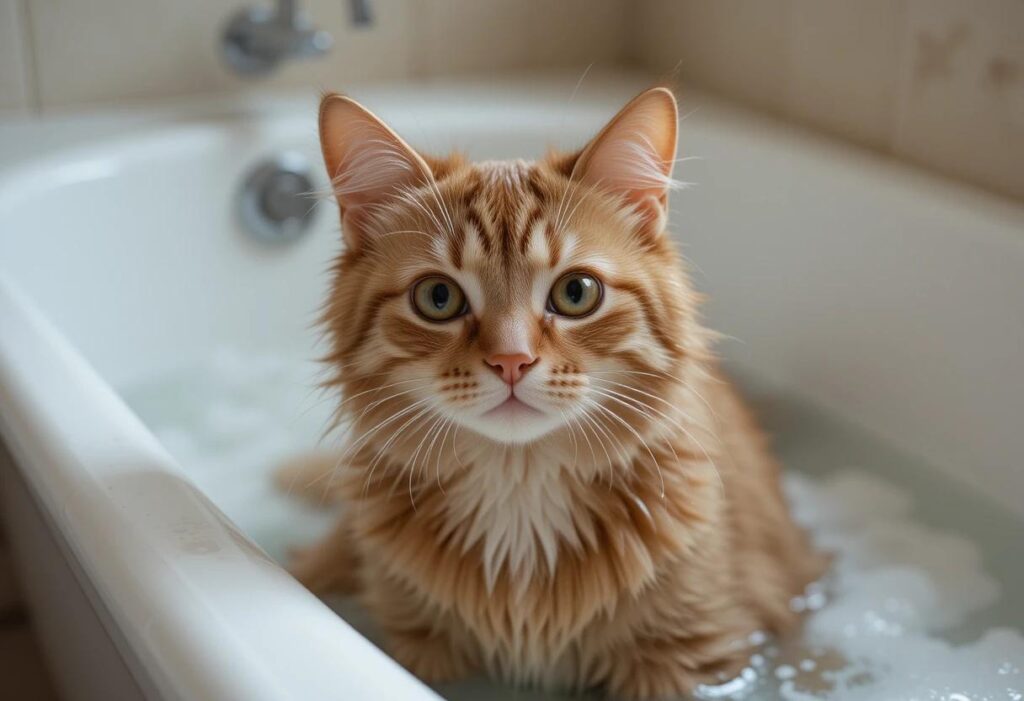
- Prepare Your Pet: Before bathing your pet, brush their fur to remove any tangles or loose hair. This will make the bath more effective and prevent mats from becoming worse once wet.
- Use Lukewarm Water: Always bathe your pet using lukewarm water. Hot water can burn their skin, while cold water can make them shiver and uncomfortable.
- Choose the Right Shampoo: Never use human shampoo on your pet—it can irritate their skin. Instead, use a shampoo that is specifically designed for pets. If your pet has sensitive skin, look for a gentle, hypoallergenic option.
- Rinse Thoroughly: Be sure to rinse all the shampoo out of your pet’s fur to avoid leaving any residue, which can cause irritation.
- Drying Your Pet: After the bath, gently towel dry your pet, being careful not to rub too hard. If your pet has long or thick fur, you can use a blow dryer on a low, cool setting. Never use a hot dryer, as it can burn your pet’s skin.
Nail Trimming: Preventing Overgrowth and Injuries
Just like us, pets need regular nail trims to keep their paws healthy. Overgrown nails can lead to pain, discomfort, and even injury. They can also affect your pet’s walking posture, leading to long-term issues.
Why Nail Care Is Important
Long nails can become ingrown, cracked, or caught on furniture, causing injury. If left untrimmed, they can even interfere with your pet’s ability to walk properly. Regular nail trimming helps prevent these issues and keeps your pet’s paws in good shape.
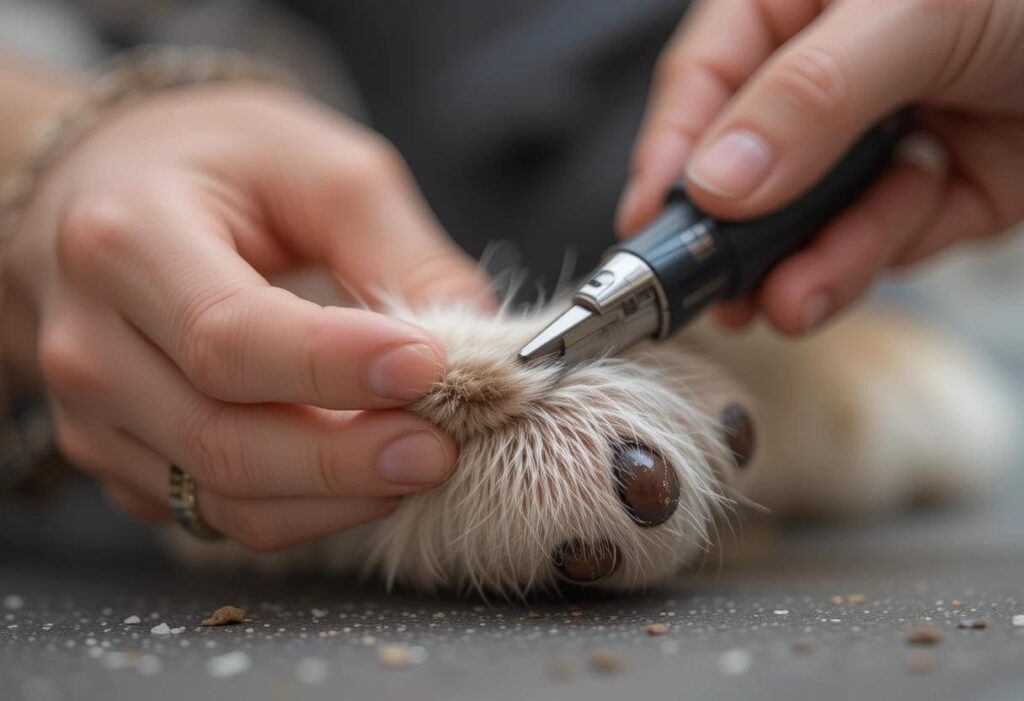
How to Trim Your Pet’s Nails
- Pick the Right Clippers: Use pet-specific nail clippers or a nail grinder. Clippers are better for thick nails, while grinders work well for smoothing rough edges.
- Get Your Pet Comfortable: Before trimming, gently touch and hold your pet’s paws to get them used to the sensation. Offer lots of treats and praise to make it a positive experience.
- Cut Just the Tip: Trim only the tip of the nail, avoiding the “quick,” the pink area inside the nail that contains blood vessels. Cutting into the quick can cause bleeding and pain.
- Trim Regularly: For most pets, nails should be trimmed every 3-4 weeks. If you hear their nails clicking on the floor, it’s time for a trim.
Additional Grooming Tips
In addition to brushing, bathing, and nail trimming, there are other essential grooming tasks that help maintain your pet’s overall health.
- Ear Cleaning: Check your pet’s ears weekly for signs of dirt, wax buildup, or infection. Use a vet-approved ear cleaner and cotton balls to gently wipe the outer ear. Never insert anything into the ear canal.
- Teeth Cleaning: Dental health is just as important as fur care. Brush your pet’s teeth regularly with a pet-safe toothbrush and toothpaste. This helps prevent tartar buildup, gum disease, and bad breath.
- Eye Care: Keep an eye on your pet’s eyes for signs of redness, swelling, or discharge. Gently wipe away any eye discharge with a soft cloth or cotton ball.
- Paw Maintenance: Inspect your pet’s paws for cuts, debris, or anything that could cause harm. Apply a pet-safe moisturizer to keep their paw pads soft and healthy, especially during winter when cold, dry air can cause cracking.
Creating a Positive Grooming Experience
While some pets love grooming, others may find it stressful. Here are a few tips to make grooming more enjoyable for your pet:
- Start Early: If you have a puppy or kitten, introduce them to grooming at an early age. This will help them get used to the process and make grooming sessions easier as they grow.
- Take Your Time: Don’t rush grooming sessions. Go slowly, be patient, and offer lots of breaks if needed.
- Positive Reinforcement: Reward your pet with treats, praise, and affection after grooming sessions. This helps them associate grooming with positive experiences.
Professional Grooming Services
If you’re not comfortable grooming your pet at home or if your pet has special needs, professional groomers are available. A professional groomer can handle everything from brushing and bathing to cutting and styling. They have the experience and tools to ensure your pet looks and feels their best.
Final Thoughts
Grooming your pet is an essential part of responsible pet care. By following these grooming tips, you’ll help your pet stay clean, healthy, and happy.Regular grooming not only improves your pet’s appearance but also helps prevent health problems, detect early signs of illness, and strengthen your bond with them.
Whether you’re brushing, bathing, or trimming nails, your pet will thank you for the attention and care.
Happy grooming!
Ready to Become the Best Dog Parent Ever?
Is Your Dog Ready to Live Their Best Life?
Ready to Become the Best Cat Parent Ever?
FAQs
1. Why is pet grooming important?
Pet grooming is important because it keeps your pet clean, healthy, and comfortable. Regular grooming helps prevent things like skin infections, mats in their fur, and even nail problems. It also gives you a chance to check your pet for any health issues, like lumps or cuts, that might need attention.
2. How often should I brush my dog or cat?
How often you brush your pet depends on their coat type. If you have a dog or cat with long fur, they may need brushing every day to prevent tangles. Short-haired pets only need brushing about 2-3 times a week. Brushing helps keep their fur shiny, smooth, and free from mats or hairballs.
3. What’s the best way to bathe my pet?
When bathing your pet, use a pet-friendly shampoo, not human shampoo. Make sure the water is lukewarm, not too hot or cold. Gently wet your pet’s coat, lather the shampoo, and rinse well. Dry your pet with a towel and, if needed, use a blow dryer on a low, cool setting. Avoid getting water in their ears or eyes.
4. How do I trim my pet’s nails safely?
To trim your pet’s nails, use special pet nail clippers. Hold their paw gently, and trim just the very tip of the nail. Be careful not to cut too far down because that could hurt them. If your pet has light-colored nails, you can see the “quick” (the pink part inside). Avoid cutting into that. Trim the nails every 3-4 weeks for dogs and 4-6 weeks for cats.
5. Do I really need to clean my pet’s ears?
Yes, cleaning your pet’s ears is important! Dirt, wax, and even infections can build up in their ears. Check their ears every week to make sure they’re clean and free of debris. Use a vet-approved ear cleaner and a cotton ball to gently clean the outer ear. Never stick anything into their ear canal!
6. How can I help my pet enjoy grooming?
Start grooming your pet when they’re young to help them get used to it. Be gentle and patient, and reward them with treats after each session. If your pet gets nervous, take breaks during grooming, so they don’t get too stressed. Over time, they’ll start to enjoy the extra attention and care.
7. Can I use regular shampoo to wash my pet?
No, regular human shampoo can irritate your pet’s skin. Pets have different skin pH levels than humans, so you should always use a shampoo made specifically for pets. There are also special shampoos for pets with sensitive skin or allergies. Ask your vet if you’re unsure which type to use.
8. How do I handle grooming my pet if they’re nervous?
If your pet is nervous about grooming, try introducing them to each step slowly. Start by gently touching their paws, brushing for a few minutes, or even just petting them in the areas you want to groom. Gradually build up to longer sessions, and always reward them with treats and praise afterward to make the experience more positive.
9. How do I know if my pet’s grooming is affecting their health?
If you notice your pet scratching a lot, licking their paws excessively, or getting sores or bumps in places that are usually groomed, it might mean something is wrong. Grooming can sometimes irritate the skin if done too harshly or with the wrong tools. If you’re concerned, talk to your vet to rule out any health issues.
10. When should I take my pet to a professional groomer?
If your pet has a difficult-to-manage coat, like long or matted fur, or if you’re not comfortable doing tasks like nail trimming or haircuts yourself, it’s a good idea to visit a professional groomer. Professional groomers are trained to handle pets safely and can give your pet a stylish trim or deal with tricky mats that you might find too difficult to handle.